
Gutter Installation in Elkins, AR
Gutter installation in Elkins is drainage work before it is anything else. Sizing, hanger spacing and where the water is put decide whether a run holds in an Ozark downpour.
Elkins Gutters Built For Ozark Rain
Most overflow is capacity rather than blockage. A gutter sized for an average roof on an average day meets the volume coming off a steep plane in a hard cell and simply cannot carry it, so the water goes over the front edge while the run underneath is visibly clear.
Roof area and pitch set how much arrives and how fast, and both run high here: steep planes on wooded lots, shedding into runs that also have to cope with leaf load. The second half of the problem is where the water goes once it leaves the downspout, which on sloping ground decides whether it drains away or finds its way back toward the foundation.
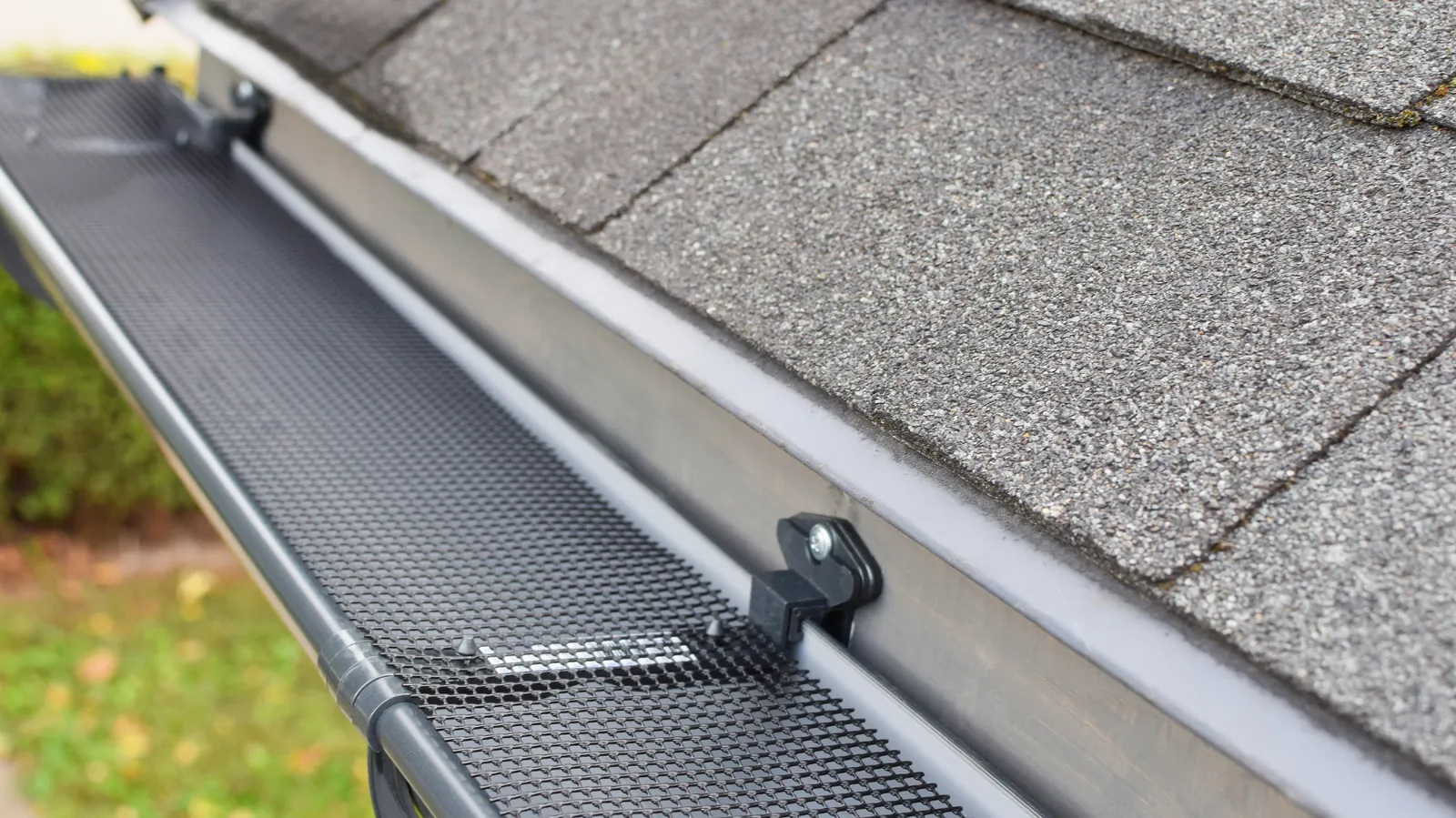
Gutters sized to the Elkins roof they hang on
A gutter job is four decisions and only one of them is the gutter itself. These are the four, in the order they actually matter.
- 01Capacity
- Run and downspout sized to the roof area and pitch feeding them, rather than to what looks proportionate on the fascia. This is the decision that stops overflow, and no other one substitutes for it.
- 02Hangers and slope
- Spacing close enough to hold a full run without sagging, and fall consistent enough to move water to the outlets. Sag is what turns a sized gutter back into an undersized one.
- 03Debris load
- What a wooded lot drops into an open run through the fall, and whether guards earn their place on that particular roof. Guards help under trees and they are no substitute for capacity.
- 04Discharge
- Where the water is put once it leaves the downspout, which on sloping ground is the difference between drainage and a wet crawlspace. It is the cheapest part of the job to get right and the most expensive to ignore.

Cleaning a gutter that is too small solves it until the next hard rain.
Laying Out An Elkins Gutter Run
Gutters are measured off the roof above them and the ground below them. Both halves get walked before any material is ordered.
Measuring the roof above
Plane area and pitch decide the volume arriving at the gutter line and how fast it gets there.
Runs and outlets laid out
Where the outlets sit and how many the run needs matters more than the length of the gutter itself.
Where the water lands
The last decision is where the downspout puts the water, which on sloping ground decides whether it drains away.
Standing water, sag, and stained siding
The symptoms point at capacity or at slope far more often than at debris. Each of these says something specific about which.
- Water sheeting over the front edge in heavy rain while the run itself is visibly clear, which is capacity and nothing else.
- Staining on the fascia behind the gutter, meaning water is going backward over the lip rather than down the run.
- Erosion or splash marks directly under one section, which points at volume arriving faster than the outlet moves it.
- Water standing in a run after the rain has stopped, which is a slope problem and will not improve with cleaning.
A run can be spotless and still be the wrong size for the roof above it.
What gutter work runs to around Elkins
Gutter work is priced by the foot, then adjusted for what the roofline actually asks. Length is the easy part; the price moves with how many corners and outlets the run needs, what size the roof demands, and how reachable the fascia is on a hill lot.
Doing it alongside a roof job usually makes sense, because the drip edge and the gutter line have to work together at the eave and setting them at the same time avoids paying for the same access twice.
Get The Runs Measured- Run length and corners
- Size the roof demands
- Access and discharge routing
What An Elkins Roofline Delivers To The Gutter
A gutter is sized for the roof above it, and roofs around here do not deliver water evenly. Steep planes move it fast, and every valley on a cut-up roofline gathers two slopes worth of it and aims the result at a few feet of gutter.
So a run is rarely loaded the way its length suggests. One section under a valley can be taking several times what the section around the corner sees, and that section is where the overflow starts while everything either side of it copes.
- 01Valleys concentrate the flow
- The point where a valley meets the eave is the heaviest-loaded few feet on the whole house, and it wants an outlet close to it. An outlet placed for symmetry will sit where the water is not.
- 02Steep planes arrive faster
- The same rainfall off a steep slope reaches the gutter sooner and with more momentum behind it, which is why water can carry past a lip on a hill-lot roof that would hold it on a shallow one.
Which few feet of the run are doing the real work is settled on the roof above, before any profile is chosen.
What Ozark rain does to undersized gutters
Q1Why do my gutters overflow when they are clean?
Q2Are seamless runs better?
Q3Do I need guards under trees?
Q4Can gutters be done with a roof job?
Get the runs measured before ordering any
Say where the water is going and have the runs measured before anything is ordered. No obligation to order once they are.